
Parents often hear that music lessons make kids "smarter." The truth is more interesting. Decades of research show that learning an instrument genuinely changes how a child's brain develops, especially for hearing, language and coordination, while some popular claims, like a guaranteed jump in IQ, are less certain. Here is what the science actually says.
1. Learning an instrument shapes the developing brain
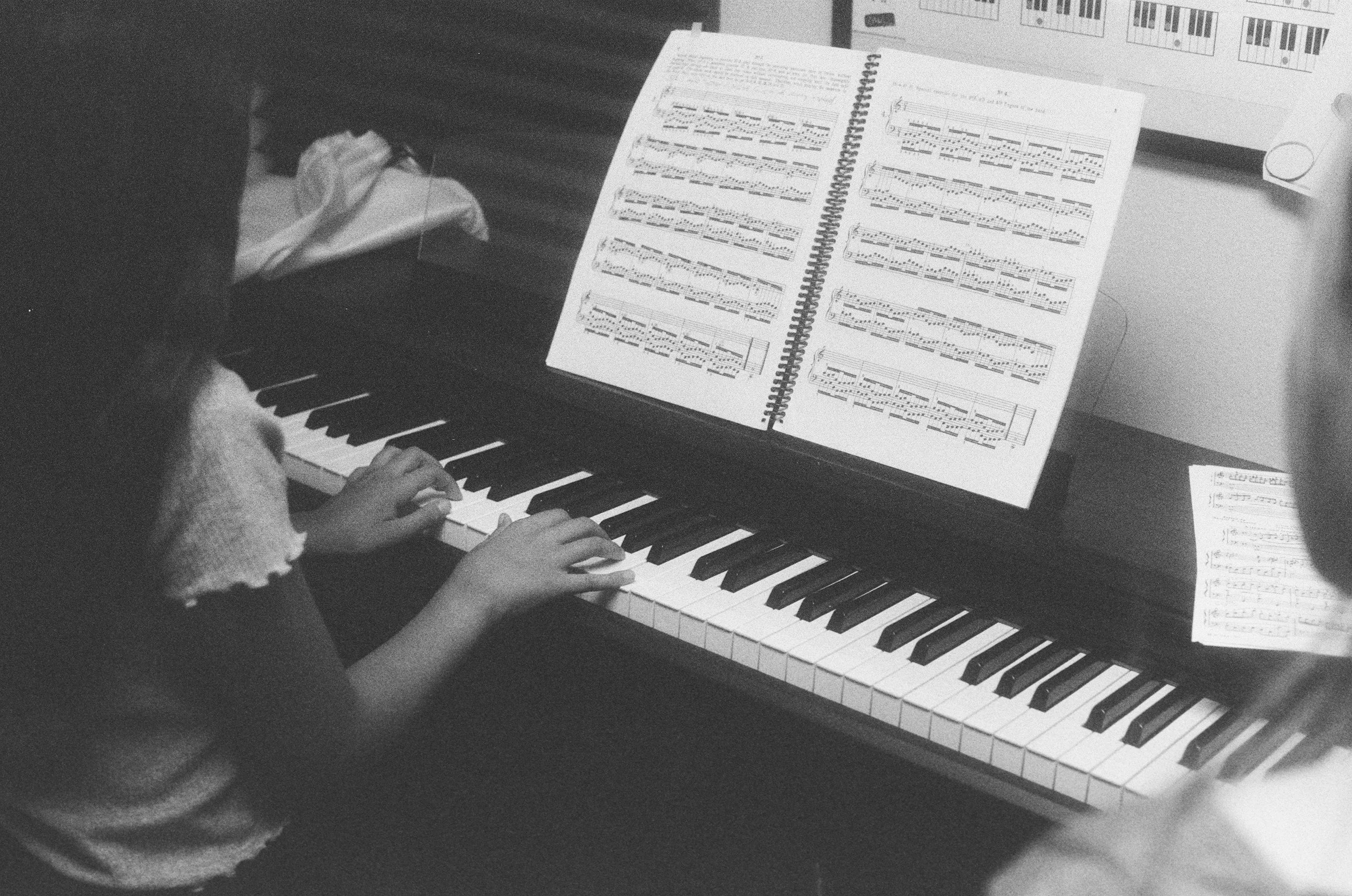
In a study published in The Journal of Neuroscience, researchers followed six-year-olds who had never studied music. One group took weekly private keyboard lessons for 15 months; the other only had regular school music classes. Brain scans showed that the children who took lessons developed measurable structural changes in brain areas that control movement and process sound, and those changes went hand in hand with improvements in their finger dexterity and listening skills (Hyde et al., 2009).
Closer to home, neuroscientists at USC's Brain and Creativity Institute followed children from Los Angeles neighborhoods starting at age six, comparing kids learning instruments through Youth Orchestra Los Angeles with kids in a sports program and kids in no after-school program. After two years, the young musicians showed differences in the development of auditory brain regions and stronger connections in the corpus callosum, the "bridge" between the brain's two hemispheres that links areas for movement, sensation and planning. Brain scans at the start confirmed the groups were alike before training began (Habibi et al., 2018).
2. Music training sharpens the listening skills behind language and reading
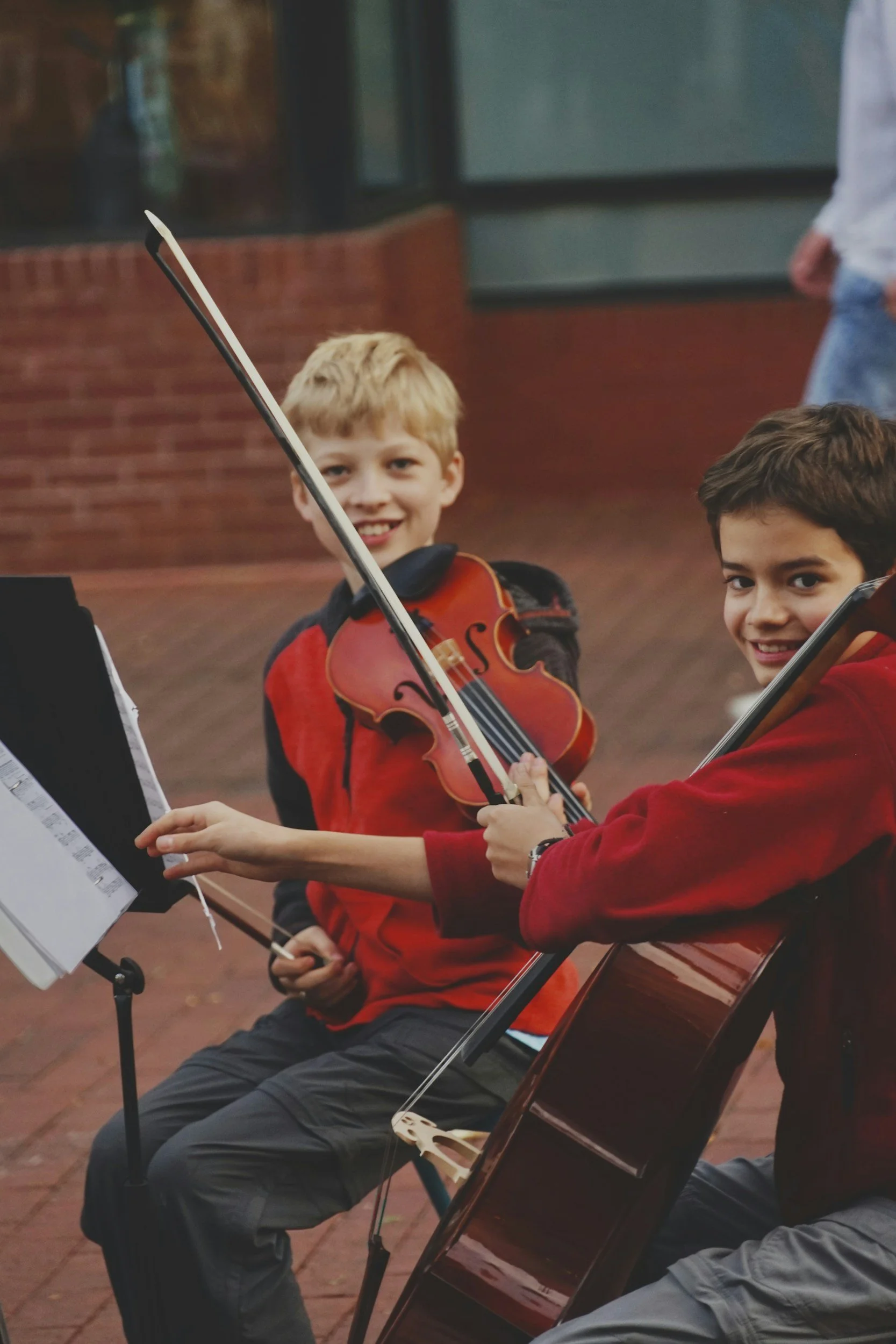
Learning music means learning to hear tiny differences in pitch, timing and sound, and those are the same building blocks children use to understand speech. Northwestern University researchers studied children in the Harmony Project, a free music program here in Los Angeles. After two years of music training, children's brains became better at telling apart similar speech sounds such as "ba" and "ga," a skill linked to reading and language. One year was not enough: the benefit appeared with sustained practice, and the children who attended most regularly and participated most actively showed the biggest gains (Kraus et al., 2014).
3. Music students tend to do well in school
A study of more than 112,000 high-school students in British Columbia, Canada, found that students who took school music (especially instrumental music) had higher exam scores in math, science and English than their non-musical peers. The most engaged instrumental students were, on average, about a year ahead academically (Guhn, Emerson & Gouzouasis, 2020).
It is important to be honest about what this means: the study shows an association, not proof that music caused the higher grades. Families who choose music lessons may differ in other ways, too.
4. What about "music makes you smarter"?
This is where scientists disagree. A large 2020 analysis of 54 studies concluded that music training has little measurable effect on general cognitive skills or school grades once study quality is taken into account (Sala & Gobet, 2020). A 2022 analysis that focused specifically on instrumental lessons found a small but real benefit for cognitive and academic skills (Román-Caballero et al., 2022). The fair summary: don't expect music lessons to transform test scores overnight, but the core benefits for hearing, language processing and motor skills are well documented.
5. Making music together
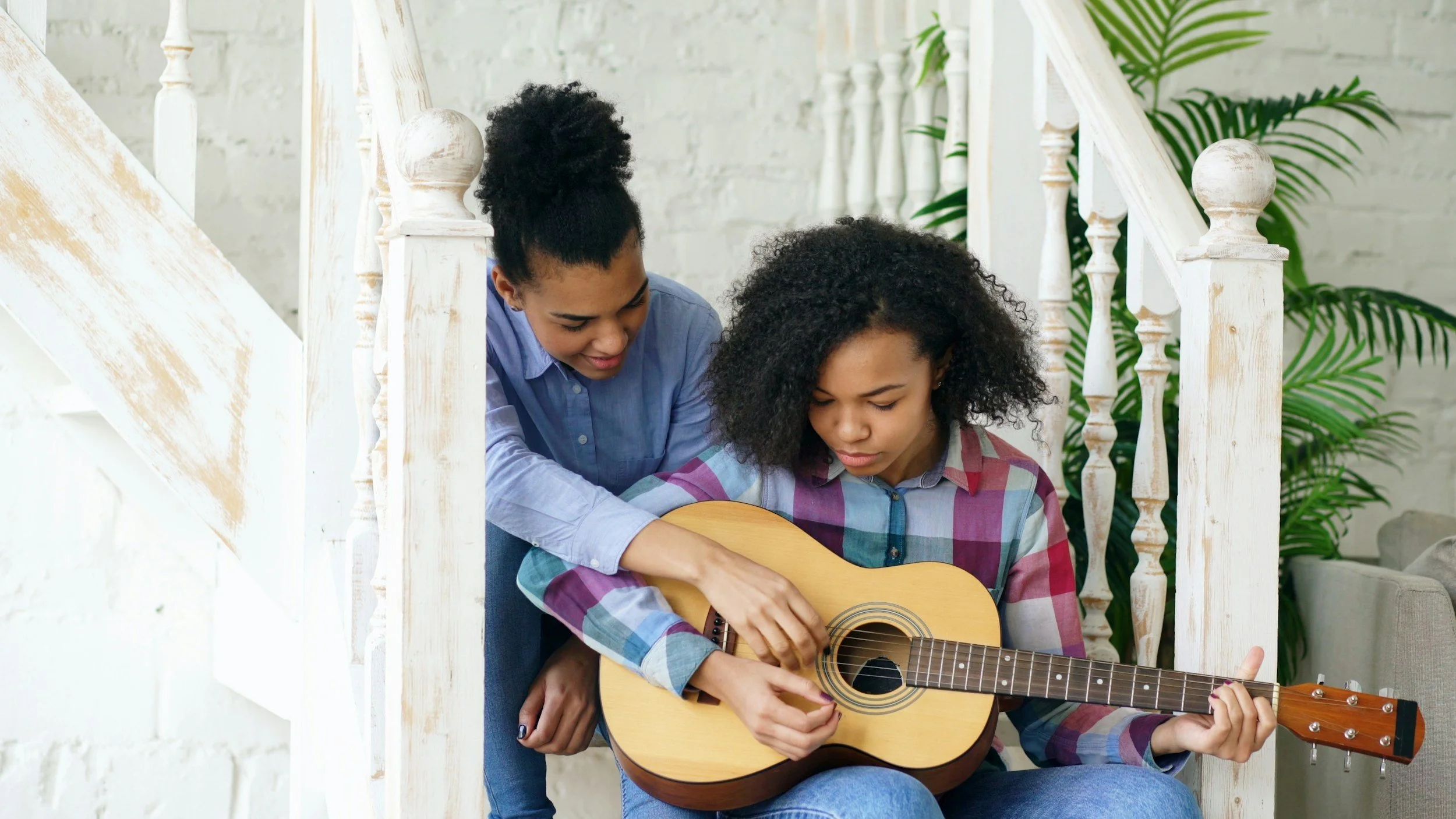
Music is also social. In one experiment, four-year-olds who sang and played music together were more likely to help and cooperate with each other afterward than children who played a similar non-musical game (Kirschner & Tomasello, 2010). A 2021 follow-up study in kindergartens did not find the same effect, so this is an area researchers are still exploring (Baier, Wöllner & Wolf, 2021). Still, anyone who has played in a band or sung in a choir knows the feeling of being part of something together.
What this means for your child
Consistency matters more than intensity. The brain benefits in these studies appeared after one to two years of regular lessons, not a few weeks.
Active playing counts. The strongest results came from children actually learning an instrument and practicing, not just listening to music.
Engagement makes a difference. Kids who showed up and participated most got the most out of it. Choosing an instrument and a teacher your child enjoys helps them stick with it.
It's never too early or too late. Many studies started at around age six, but the most important ingredient is a child who wants to play.
At Music Nation, we offer private lessons for piano, guitar, voice, strings, drums and more, for all ages and skill levels: at our studio, in your home, or online. See our music lessons or contact us to find the right teacher for your child.
Sources
Hyde, K. L., Lerch, J., Norton, A., et al. (2009). Musical training shapes structural brain development. The Journal of Neuroscience, 29(10), 3019–3025. https://pubmed.ncbi.nlm.nih.gov/19279238/
Habibi, A., Damasio, A., Ilari, B., et al. (2018). Childhood music training induces change in micro and macroscopic brain structure: Results from a longitudinal study. Cerebral Cortex, 28(12), 4336–4347. https://pubmed.ncbi.nlm.nih.gov/29126181/
Kraus, N., Slater, J., Thompson, E. C., et al. (2014). Music enrichment programs improve the neural encoding of speech in at-risk children. The Journal of Neuroscience, 34(36), 11913–11918. https://pmc.ncbi.nlm.nih.gov/articles/PMC6608462/
Guhn, M., Emerson, S. D., & Gouzouasis, P. (2020). A population-level analysis of associations between school music participation and academic achievement. Journal of Educational Psychology, 112(2). https://www.apa.org/news/press/releases/2019/06/music-students-score-better
Sala, G., & Gobet, F. (2020). Cognitive and academic benefits of music training with children: A multilevel meta-analysis. Memory & Cognition, 48, 1429–1441. https://pmc.ncbi.nlm.nih.gov/articles/PMC7683441/
Román-Caballero, R., Vadillo, M. A., Trainor, L. J., & Lupiáñez, J. (2022). Please don't stop the music: A meta-analysis of the cognitive and academic benefits of instrumental musical training in childhood and adolescence. Educational Research Review, 35, 100436. https://doi.org/10.1016/j.edurev.2022.100436
Kirschner, S., & Tomasello, M. (2010). Joint music making promotes prosocial behavior in 4-year-old children. Evolution and Human Behavior, 31(5), 354–364. https://www.eva.mpg.de/documents/Elsevier/Kirschner_Joint_EvolHumBeh_2010_1552719.pdf
Baier, J., Wöllner, C., & Wolf, A. (2021). Interpersonal musical synchronization and prosocial behavior in children: No effects in a controlled field experiment. Frontiers in Psychology, 12, 784255. https://www.frontiersin.org/articles/10.3389/fpsyg.2021.784255